
There are pros and cons to buying or owning a house. On one hand, buying a house can give you a sense of stability and security, as well as tax breaks and opportunities to invest in your property. On the other hand, buying a house can be expensive and time-consuming, and it may not be the right choice for everyone. In this article, we will explore the pros and cons of buying or owning a house in more detail.

Pros of Buying and Owning a Home
1. Owning a House can Provide a Sense of Stability and Security
There are many benefits to owning a home, possibly one of the most important is the sense of stability and security it provides, both emotionally and financially. When you own your own home, you know that you have a place to call your own, no matter what happens in the world around you. You can make changes and renovations to suit your needs, and you don’t have to worry about being kicked out on short notice. Owning a home also gives you a place to raise a family and build memories that will last a lifetime. Emotionally, owning your own home makes you feel rooted and secure, like you have a place to call your own that is always there for you. This feeling of stability can be especially important during difficult times. Financially, owning your own home gives you a valuable asset that you can use as collateral for loans, which can be helpful in times of need.
2. There can be Tax Advantages to Owning a House
When you buy a home, you may be able to take advantage of various tax benefits. For example, you may be able to deduct the mortgage interest you pay on your mortgage as well as the property taxes from your taxable income, which can save you a lot of money over time. You may also be able to deduct the cost of repairs, renovations, and other maintenance costs put into your home. Additionally, if you sell your home for a profit after owning it for a certain number of years, you may not have to pay taxes on that profit. This is known as the capital gains exemption. Overall, buying and owning a home can save you a lot of money through tax benefits and deductions.
3. You can Build Equity with a Home
One of the benefits of owning a home is that you can build equity with it. Equity is the difference between the current value of your home and the amount you owe on your mortgage. Over time, as your home increases in value and you pay off your mortgage, your equity will grow. This can be a valuable asset for you, especially if you ever need to borrow money against it. Additionally, many homeowners choose to use their equity to finance home improvements or other projects. Having equity in your home can be a very helpful thing to have.
What increases the equity on a person’s house?
One of the main things that increases the equity on a person’s house is paying off the mortgage. As you pay off your mortgage, the amount you owe decreases, which increases your equity. Additionally, if you ever sell your home for more than you paid for it, you will also gain equity.
Does home equity increase with home value?
Whether or not home equity increases with home value depends on several factors. One of the most important factors is how much you owe on your mortgage in relation to the current value of your home. If you owe a lot compared to the current value of your home, then your equity will not increase very much, if at all. However, if you own a lot of equity in your home already, then even a small increase in the value of your home will result in more equity. Additionally, if you make regular payments on your mortgage, then your equity will also increase over time. So overall, yes, home equity does tend to increase with the value of one’s house – but this is not always guaranteed
What are some ways to build equity in a home?
There are several ways to build equity in a home quickly. One way to increase the value of your home is by making renovations or improvements. Another way is to pay off your mortgage as quickly as possible. This can by done in several ways: you could put any bonuses, inheritances, tax refunds and other extra money towards paying down the mortgage. You could also schedule or switch to biweekly mortgage payments which result in an additional month’s worth of mortgage payments going towards your mortgage annually. If you make your mortgage payments every two weeks instead of once a month, then you will end up making one extra payment each year. This is because there are 26 two-week periods in a year, but only 12 months. So if you make your mortgage payment every other week, then you are essentially making half a mortgage payment each week, which adds up to one full payment per year. Getting rid of private mortgage insurance (PMI), if you have it, is another way to shave off hundreds of dollars a year that could be put towards paying down your mortgage.
One thing to keep in mind and be aware of when trying to pay off your mortgage early is if your lender has any prepayment penalties on the mortgage. Prepayment penalties are extra fees that a lender might charge if you pay off your mortgage early.

4. Owning a Home can be a Good Long-Term Investment
Owning a home can be a great long-term investment for a number of reasons. Over time, property values have historically increased at a rate greater than the rate of inflation. This means that your home will likely be worth more in the future than it is today. Additionally, home values are also typically much less volatile than the stock market. While home values may go up or down in value, they typically experience less dramatic changes than stocks. This makes them a more stable investment option for many people. As we already mentioned, you can deduct the interest you pay on your mortgage and the property taxes from your taxable income. This can save you thousands of dollars each year which in turn is money available to continue investing in elsewhere. When you sell your home, you can often keep most or all of the proceeds, which can be used to help finance your retirement or other goals. Additionally, if you ever need to borrow money against your home, you will have a valuable asset to fall back on.
5. When you Own your Home, you can Make it your Own
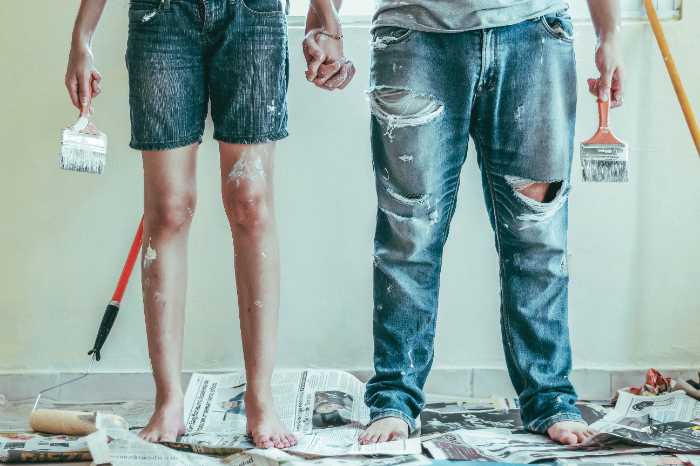
When you own a home, you’ll have the ability to decorate and alter the property to your taste. Whether you want to paint the walls, install new fixtures, or make any other changes, you won’t have to worry about asking for permission from a landlord. In addition, owning a home affords you more privacy than renting an apartment. You won’t have to share walls with your neighbors, and you’ll likely have a backyard space that you can use as you please. Finally, if you want to own pets, a home is the way to go. Landlords often have strict rules about pet ownership, and they may charge pet fees in addition to rent. When you own a home, however, you can have as many pets as you like without having to worry about breaking any rules or paying extra fees. For all these reasons, owning a home is often preferable to renting an apartment.
Cons of Buying and Owning a Home

1. Home Ownership can be a Financial Burden.
For many people, the dream of homeownership comes with a certain amount of financial insecurity. A mortgage is generally the largest debt that a person will take on in their lifetime, and it can be difficult to keep up with payments if interest rates rise or income levels drop. In addition, property taxes and home repairs can add up quickly, and unanticipated expenses, such as a new roof or a broken furnace, can put a strain on household finances. Another expense to consider in some cases are Homeowners Association (HOA) fees that could be imposed on you depending on where you plan to purchase a home. As a result, it’s important to carefully consider all of the costs of owning a home before taking out a mortgage. For some people, renting may be a more financially secure option.
2. You’re Responsible for Repairs and Maintenance.
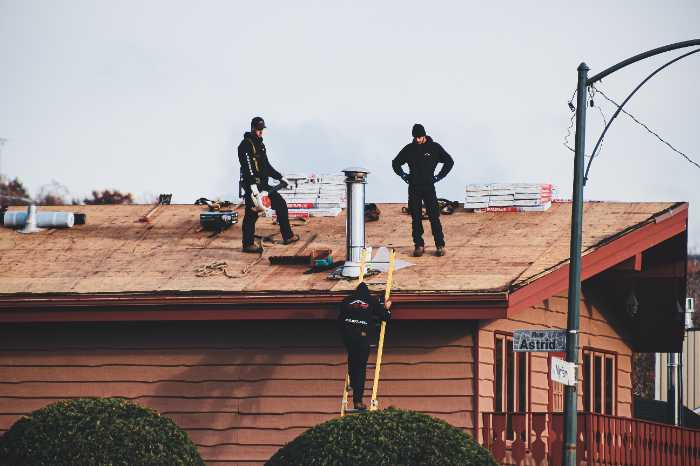
Homeownership comes with a lot of responsibilities. Not only do you have to keep up with the mortgage payments, but you’re also responsible for all the repairs and maintenance. If something goes wrong with your home, it’s up to you to fix it. This can be expensive and time consuming. You might have to hire a contractor, buy new materials, and take time off from work to get the job done. It’s important to be prepared for these kinds of expenses – otherwise, they can quickly add up and put a strain on your finances. So before you buy a home, make sure you’re prepared to handle all the repairs and maintenance that come with it. Otherwise, you could end up in over your head.

3. It’s Difficult to Sell a Home in a Down Market
When the market is down, there are more sellers than buyers. This means that there is more competition, and it can be hard to stand out. Additionally, buyers are more likely to be looking for a bargain, so you may have to lower your asking price. In some cases, this may even mean you are taking a loss on the sale in situations where you need to access that equity quickly. For this reason, it might actually be a disadvantage to own a home as there is a potential risk of losing on your investments. However, if you’re planning on staying in your home for the long term, then this may not be an issue. Ultimately, it’s important to do your research and make sure that you’re comfortable with the risks before making any decisions.
4. It’s expensive to buy a home.
One of the biggest disadvantages is that it’s expensive to buy a home. In addition to the mortgage payments you have to consider the down-payment, closing costs, inspection fees, and other expenses. Buying a home means there is usually a very high upfront costs that does not exist when renting. This means it might be difficult to save up enough for a down-payment and become financially ready to purchase a home.

5. Homeownership can tie you down.
For many people, the dream of homeownership is a sign of stability and success. However, there are also some drawbacks to owning a home. One of the biggest potential drawbacks is that it can tie you down. If you need to move or change jobs, you may find yourself stuck with a home that you can’t sell at a profit. Depending on the situation and the current housing market, you may even have to take a loss on the sale. This can be especially difficult if you’re upside down on your mortgage, which means you owe more than your home is worth. As a result, it’s important to weigh the pros and cons of homeownership before making any decision. For some people, the flexibility of renting may be a better option.
Wrapping up the Pros and Cons of Owning a House
In conclusion, there are many pros and cons to buying or owning a home. It’s important to carefully consider all of the costs and benefits before making a decision. For some people, renting may be a more financially secure option, while others may find that homeownership is the best way to build equity over time. It’s important to do your research and make sure you’re comfortable with the risks involved before making any decisions. Still on the fence? Then check out our article around when buying a house is better than renting to help on your journey.